
Agropoli: The Municipality
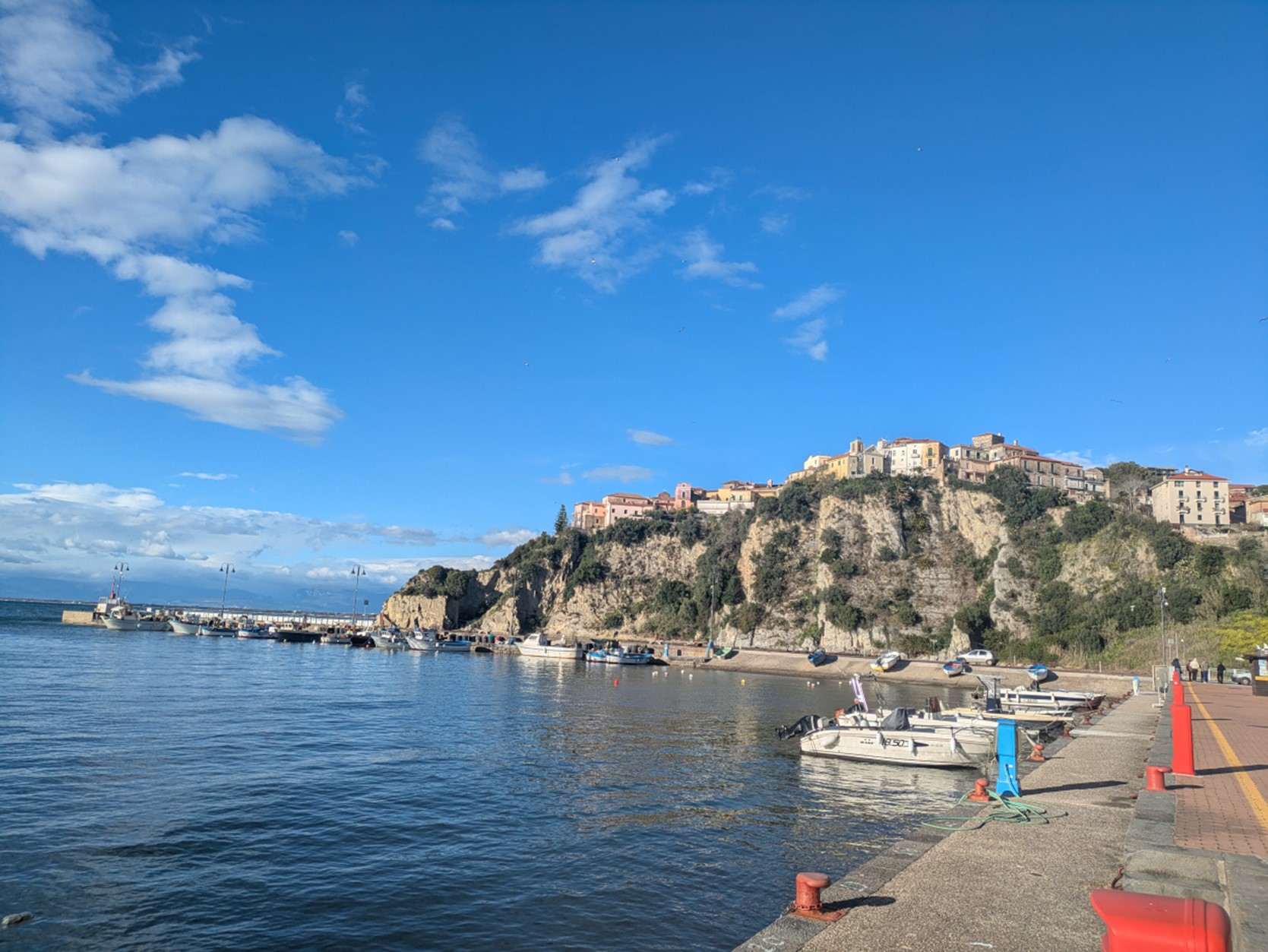
Agropoli is one of the most important and dynamic municipalities in the Cilento region, considered the true gateway to the area. Situated along the Tyrrhenian coast, Agropoli combines a strong tourism sector with a central role in commerce and services. Thanks to its marina, railway station, and strategic location between Salerno and the Cilento hinterland, the city serves as a key hub for both residents and visitors.
From Greek Origins to the Medieval Village
Agropoli’s origins date back to the Greek era, when the territory was linked to the powerful city of Poseidonia (Paestum), serving as its maritime outlet. It retained a strategic function during Roman times, while the name "Agropoli" derives from the Greek *Akropolis*, referring to the elevated, fortified position of the town center.
The medieval village developed from the 7th century AD onwards—during the Byzantine period—when a fortress was built on the promontory to defend the coast. Over the following centuries, Agropoli was contested by the Lombards, Normans, Swabians, and Angevins, assuming a prominent military and commercial role. Enclosed by walls and dominated by the castle, the historic center still preserves its medieval layout and stands as one of the most evocative places in Cilento.
Landscape and Territory
The Agropoli area is characterized by a perfect balance between the sea and the hills. Its sandy beaches and rocky coves—such as the Bay of Trentova—are among the most acclaimed in Campania and frequently receive the Blue Flag award. The promontory where the historic center stands offers spectacular views of the Gulf of Salerno and the Cilento coast.
The marina is one of the most important in Southern Italy and serves as a strategic starting point for boat excursions. Meanwhile, the hinterland preserves green spaces, vineyards, and olive groves that bear witness to a deep connection with local agricultural traditions.
Culture, Traditions, and City Life
Agropoli is a vibrant city year-round, offering a rich cultural scene and a lively social life. Patron saint festivals, religious observances, and summer events bring the historic center and the seafront to life, drawing visitors from across the region.
Its culinary tradition reflects the city’s dual nature: fresh seafood dishes coexist with specialties from the Cilento hinterland, showcasing local products such as extra virgin olive oil, legumes, and regional wines. Agropoli thus stands as a meeting point of history, tourism, and modernity, embodying the spirit of a city that looks to the future without forgetting its roots.
Events and Holidays
If you'd like to appear on this page, please email us at cilentozero2025@gmail.com
________________________________________
Our Partners
Become a partner by emailing us at cilentozero2025@gmail.com