
The Town of Ceraso
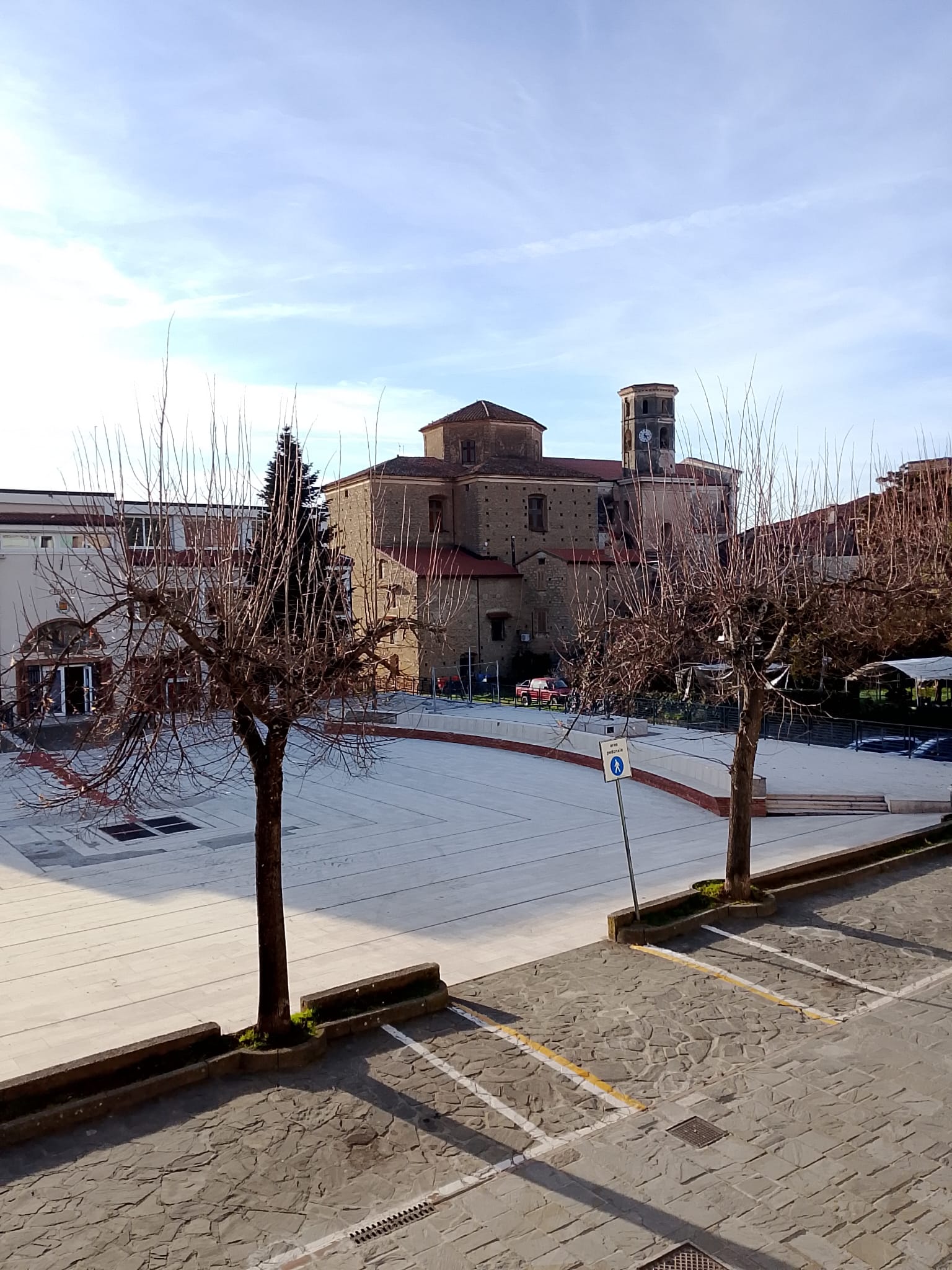
Ceraso is a charming town located in the inland area of the Cilento region, just a few kilometers from Vallo della Lucania. Situated within the Cilento, Vallo di Diano and Alburni National Park, the town is surrounded by rolling hills covered with olive groves, forests, and cultivated fields. The municipal area includes several small hamlets and rural settlements that reflect the agricultural history of the region. Thanks to its strategic location between the coast and the inland areas, Ceraso serves as an important connection point in the heart of Cilento.
History and origins
The origins of Ceraso date back mainly to the medieval period, when the village developed as a rural agricultural settlement. The name of the town is believed to derive from the presence of cherry trees that once grew abundantly in the area.
Throughout the centuries, Ceraso shared the historical events of the Cilento region and was influenced by various feudal dominations. The local economy traditionally relied on agriculture, livestock farming, and olive cultivation. Today, the historic center still preserves traces of its past with narrow streets, stone houses, and churches that reflect the cultural and religious traditions of the community.
Territory and landscape
The territory of Ceraso is characterized by the typical rolling landscapes of inland Cilento. Ancient olive groves, vineyards, and wooded areas create a scenic environment rich in biodiversity. Its proximity to important towns such as Vallo della Lucania makes the area easily accessible.
The surrounding countryside offers panoramic roads and routes ideal for hiking, walking, and rural tourism. The peaceful atmosphere and the natural beauty of the landscape make Ceraso an ideal destination for those who wish to discover the most authentic side of Cilento.
Culture and traditions
The culture of Ceraso is deeply connected to agricultural and rural traditions. Patron saint festivals, religious celebrations, and local food festivals represent important moments of community life.
Local gastronomy highlights simple and genuine products such as extra virgin olive oil, legumes, cheeses, and traditional Cilento dishes. Traditions passed down from generation to generation continue to play a fundamental role in shaping the identity of the town.
Events and Holidays
If you'd like to appear on this page, please email us at cilentozero2025@gmail.com
________________________________________
Our Partners
Become a partner by emailing us at cilentozero2025@gmail.com