
Elea–Velia: A Journey Through Mediterranean History
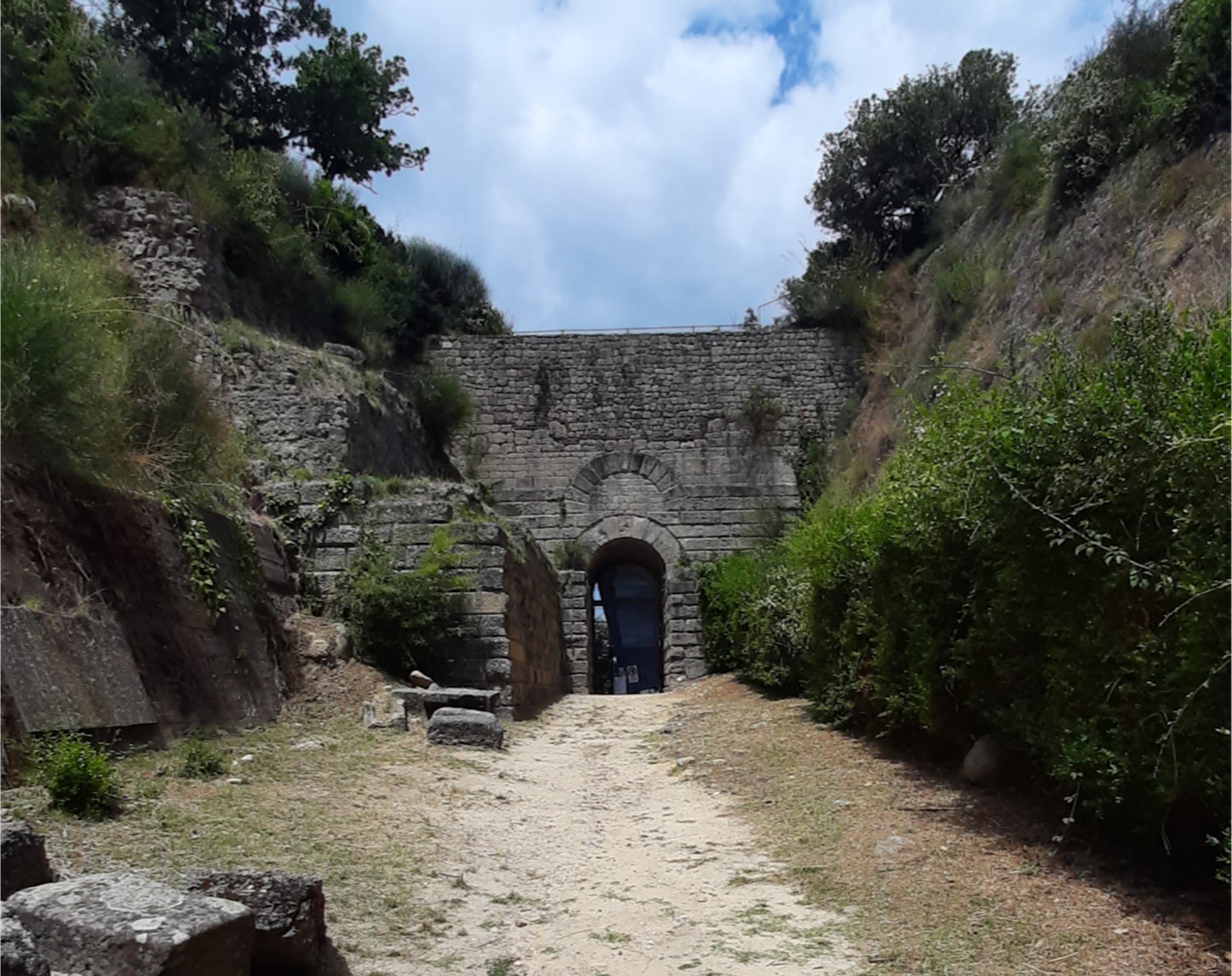
Overlooking the Cilento Sea, Elea–Velia is one of the most fascinating places in Magna Graecia, where history, philosophy, and landscape blend into a unique experience. Visiting Elea–Velia means embarking on a journey through over two thousand years of civilization, from its Greek origins to the Middle Ages.
Greek Origins: The Birth of Elea
The city of Elea was founded around 540 BC by Greek colonists from Phocaea, fleeing the Persian invasion. The chosen site, a naturally protected promontory overlooking the sea, offered ideal conditions for defense, trade, and navigation.
Walking among the ruins of the ancient city, it is still possible to imagine life in the Greek polis, with its walls, sanctuaries, and the port that once connected Elea to the major Mediterranean centers.
The City of Philosophers
Elea is world-famous as the birthplace of the Eleatic School, one of the most important philosophical currents of antiquity. Parmenides and Zeno, philosophers who revolutionized our understanding of reality and being, lived and taught here.
Today, the archaeological site preserves symbolic places that recount this extraordinary cultural heritage, making a visit not only a historical but also an intellectual experience.
Between Magna Graecia and the Italic World
Over the centuries, Elea successfully interacted with the Italic populations of the area, maintaining its Greek identity and developing a city harmoniously integrated into the Cilento landscape. The imposing fortifications and urban layout still testify to its strategic and cultural importance.
Roman Velia: Culture and Wellness
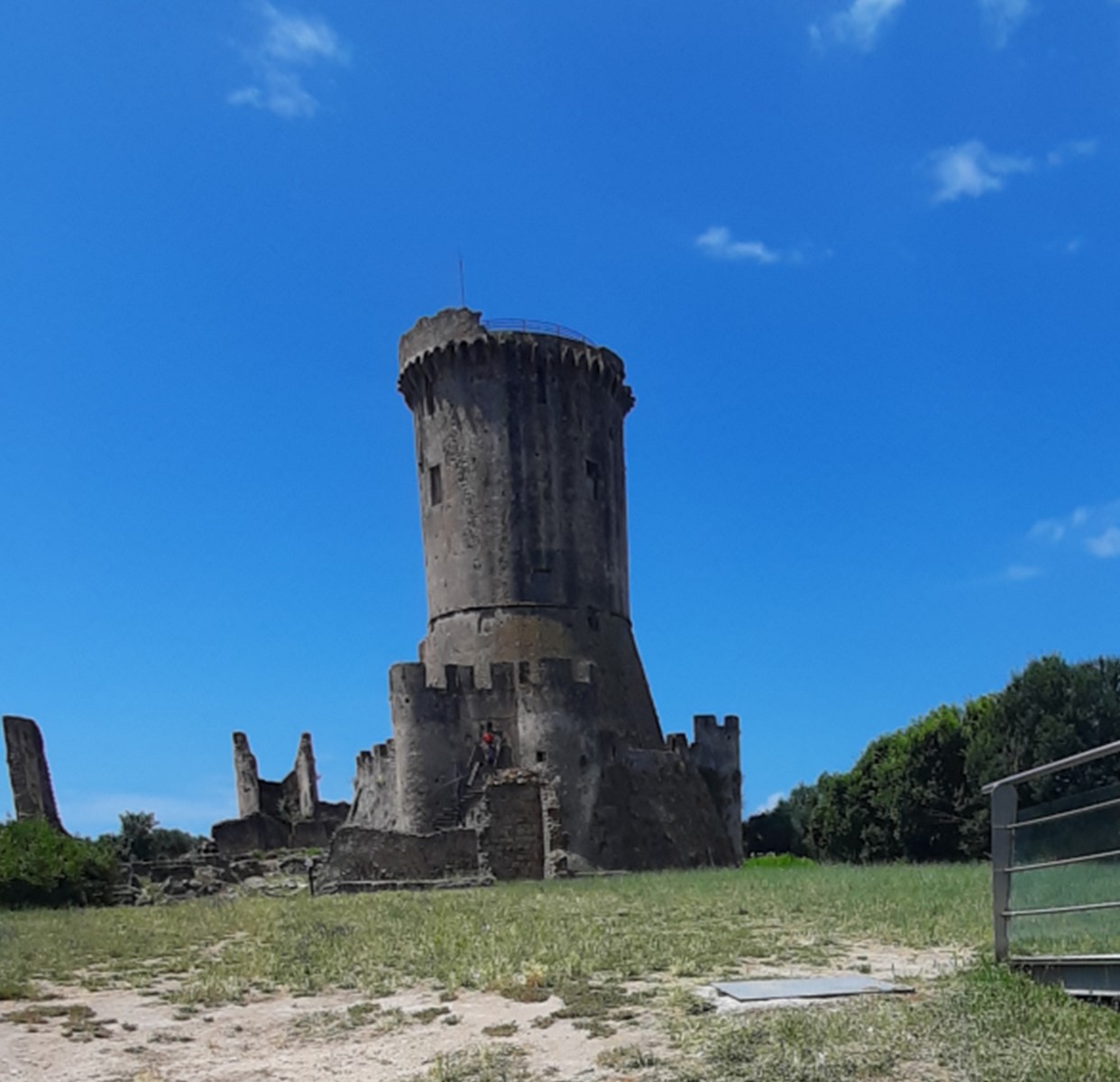
With the arrival of the Romans, the city took the name Velia. Thanks to the privileged status granted by Rome, Velia became a renowned center of culture, medicine, and tourism, prized by the Roman aristocracy for its mild climate and beauty.
The baths, domus, and public buildings recount a period of refined urban life, nestled between the sea and the hills.
From the Ancient World to the Middle Ages
With the decline of the Roman Empire, Velia gradually transformed. The settlement moved to higher, safer areas, while Christianity left its first traces in the area.
In the Middle Ages, the ancient city became a fortified center known as Castellammare della Bruca, marking the definitive transition from the classical to the medieval era.
The Porta Rosa and the Archaeological Park
The symbol of Elea–Velia is the famous Porta Rosa, an extraordinary example of Greek architecture from the 4th century BC, considered one of the oldest round arches in the Greek world.
Today, the Elea–Velia Archaeological Park offers visitors an immersive journey through walls, acropolises, and scenic trails, in a breathtaking natural setting recognized as a UNESCO World Heritage Site.
Elea–Velia Today
Elea–Velia is not just an archaeological site, but a meeting place of history, culture, and nature. Visiting this extraordinary heritage means rediscovering the roots of Western thought and enjoying an authentic experience in the heart of Cilento.